Mixed2016


Facilitated by Sarah Kala-Meir, CEO, and Nadav Schwartz, Community and Educational Coordinator. For two decades, the Jerusalem Open House (JOH) has been serving the city’s LGBT community and its allies, offering services such as education, social and medical services, youth and teen groups, and various community events, including the Pride and Tolerance Parade. The JOH aspires to foster open and deep discourse and cooperative ventures with the city’s various sectors, cultures, and religions that share the vision of acceptance and peaceful coexistence. To this end, the JOH works with various other groups and governmental agencies. The workshop comprised tolerance training that the JOH conducts in schools and other educational institutions throughout the city. What conflicts emerge between the staff and […]
Teaching Tolerance


Associate Professor Maria Hadjipavlou Gender and Conflict: The Cypriot Experience (English) Associate Professor Maria Hadjipavlou teaches at the University of Cyprus, and is a world-renown expert in the fields of feminism and conflict resolution. For the last 25 years she has worked to promote peace between Greek and Turkish Cypriots, and trains facilitators in conflict resolution and gender awareness. Her lecture surveyed the ongoing conflict on the island, and she presented models for holding encounters between the two communities, including photographs from her work there. For a summary of the lecture, please click here.

Guest Lecture


Processing the First Day’s Encounters Led by facilitators from the Adam Institute and Besod Siach The processing workshops had a two-fold focus: participants’ experiences during the first day, along with asking the question: what enables effective dialogue? Below are a number of responses that emerged during the discussions: Joint action is a platform for dialogue. It is crucial to conduct dialogue during times of conflict. We must first conduct dialogue with ourselves, before turning to others. It is important to understand dialogue participants, how they differ, and who/how it was determined that they are different. Joint living is a partial solution, leading us to recognize that group divisions are less important. Among Israeli society, the Arabs are demonized or treated […]

Debriefing and Processing Sessions


Museum in a Suitcase: A one-man show by Alemu Eshetie. The performance highlighted the encounter between Ethiopian culture and Israeli culture, in honor of the Sigd holiday. Alemu Eshetie is a multi-talented, Ethiopian-born artist. His performance beautifully weaves together his and his family’s personal story with that of the Ethiopian community who immigrated to Israel. Employing humor, music, and dance, the performance is Alemu’s theatrical-educational way of presenting the Ethiopian culture to Israelis. He also presents a number of objects and articles of clothing, explaining their origin, use, and significance. The Sigd holiday, which is central to the Ethiopian Jewish community, was celebrated the following day, and Alemu explained its meaning and traditions. The holiday emphasizes the receiving of the […]

Performances and Cultural Events


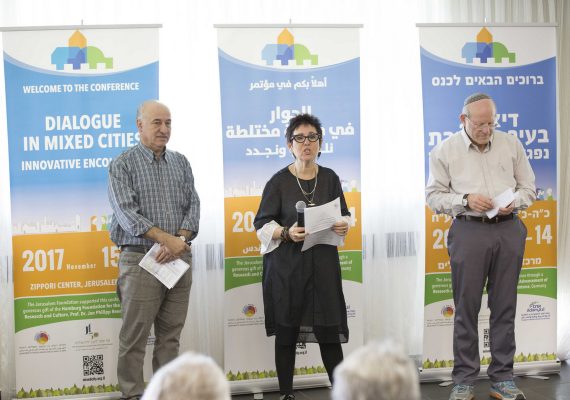
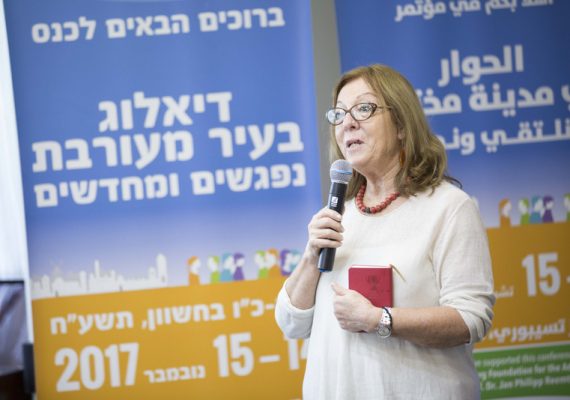
Anat Tzur, Director of the Jerusalem Foundation Good afternoon. On Thursday, we will mark the international day of tolerance, which was established by the United Nations. This day emphasizes the importance of tolerance towards the a�?othera�? and those who are different from us, while highlighting the dangers of intolerance, discrimination, and inequality. As anyone who lives in Jerusalem knows, tolerance is the operative word in our mixed city. Thus, this week is a fitting time for such a conference. For the past 50 years, the Jerusalem Foundation, which initiated this conference, has been working enable the citya��s various groups and residents to live here together, fostering a sense that this city is their home a�� alongside the a�?other.a�? Dialogue and […]

Greetings and Opening Remarks


הנחיה: גיל גלעד, יועץ ארגוני ומנחה, עמותת בסוד שיח. מטרת סדנת הסיכום במליאה היתה ליצור מרחב למפגש ולהיכרות עם אסטרטגיות הפעילות השונות של הארגונים בהקמתם ובפעילותם השוטפת. המשתתפים התכנסו לדיון במתכונת “שולחנות עגולים”, בשמונה קבוצות, כל שולחן הונחה על מנחה. מבנה הדיון התקיים בסדר הבא: היכרות בין המשתתפים, תיאור מצב קיים בארגון אותו הוא/היא מייצגים; הצפת בעיות וקשיים באותו נושא; רעיונות לשיפור וקידום. לבסוף העלו על בריסטול חמש תובנות שעלו מההיכרות והדיון. בסיכום הדיונים –המשתתפים הוזמנו לעלות סוגיות להמשך דיון, הצעות לדרך מיטבית לקידום הדיאלוג בחברה האזרחית בישראל כארגון, והזמנה לשיתופי פעולה בין הארגונים. תודה למנחי השולחנות העגולים: ד”ר אודי שפיגל, ד”ר ניצן רותם, ירון קנר, עליזה גרשון, דובי שוורץ, חנה פסח-היימן, רז ספקטור, חולוד אדריס.

סדנת סיכום הכנס: “איך מקדמים דיאלוג?” מעגלי דיון במליאה


הנחיה: מנחי מדרשת אדם ומנחי בסוד שיח – 8 קבוצות דיון סדנאות העיבוד עסקו בשני היבטים – האחד שיתוף בחוויה שכל אחד/ת עברו בסדנאות שונות בהן השתתפו; השנייה – בחינת השאלה: מה מאפשר לך דיאלוג  אפקטיבי? להלן מבחר אמירות של המשתתפים לגבי שאלה זו: עשייה משותפת מהווה תשתית לדיאלוג. יש חשיבות רבה לקיים דיאלוג בזמן קונפליקט. קודם כל אדם צריך לקיים דיאלוג עם עצמו, לפני שהוא פונה לדיאלוג עם אחרים. חשוב להבין מיהם המשתתפים בדיאלוג, במה הם שונים, ומי קבע שהם שונים. חלק מהפיתרון הוא חיים משותפים, שמובילים להכרה שהחלוקה הקבוצתית פחות חשובה. קיימת דמוניזציה או שקיפות של ערבים בחברה ובשיח הישראלי יש לפרק אותה כדי לקיים דיאלוג. הסיור (ביער ירושלים) גילה את קיומה של התחדשות טבעית בטבע גם כאפשרות […]

סדנת סיכום היום הראשון: “אסיף” עיבוד תהליכי לחוויית המפגש בקבוצות


תנועת נשים עושות שלום  הנחיה: דבי פרוש, דבי דלסקי, חברות וועדת היגוי נשים עושות שלום היא תנועת שטח א-מפלגתית רחבה, הגדולה בארץ שהוקמה בקיץ 2014 בעקבות מבצע “צוק איתן”.  התנועה מונה עשרות אלפי חברות מימין, מרכז ושמאל, יהודיות וערביות, דתיות וחילוניות, מהמרכז ומהפריפריה – כולן מאוחדות בדרישה להסכם מדיני מכבד, מוסכם ולא אלים, שיביא לסוף הסכסוך בין ישראל והפלסטינים, תוך שיתוף נשים בתהליך (ברוח החלטה 1325 של האו”ם). “סלט ישראלי” – הוא אחד הפרויקטים שפותחו על ידי קבוצת נשים פעילות מהדרום, במסגרת תנועת נשים עושות שלום ומטרתו יצירת שיח אחר בין קבוצות ופרטים מקוטבים ושונים בחברה הישראלית. “איך יוצרים מציאות חדשה, שיח ישראלי חדש? –  לא ממקום של “החזק” או “החלש” או “המסכן”, כי אם מעמדה לא שיפוטית של סקרנות […]

“סלט ישראלי”


ימק”א הנחיה: מיכה הנדלר ונזיה אנסארי, מנהלי המקהלה (עברית-ערבית-אנגלית) ימק”א ירושלים בכלל, ומחלקת ילדים ונוער בפרט מפעילים תכניות של חיים משותפים. התכניות נשענות על מתודת עבודה המשלבת תחום מקצועי ודיאלוג חברתי – תרבותי – פוליטי, המשרת את העשייה המשותפת. מטרת הדיאלוג הוא לשמש כאמצעי לבירור מעמיק וליצירת תכנים משותפים, לדוגמא כתיבת שירים בשתי שפות. בסדנא המשתתפים תחילה שרו ביחד “שירה בציבור” וחוו תהליך עבודה של מקהלה ולאחר מכן הוצגה מתודת העבודה של מחלקת הילדים והנוער.

“דיאלוג באמצעות מוזיקה” 


Cultures in Harmony: הנחיה: שושנה גוטסמן. (כל השפות) תרבויות בהרמוניה (CiH) “באמצעות השפה האוניברסלית של המוסיקה, הפרויקטים שלנו מטפחים דיאלוג בין-תרבותי”. שושנה גוטסמן מקדישה את זמנה לחקר המרחב המוסיקלי ולפיתוחו כמקום לשינוי סכסוכים בקרב הנוער, על ידי שילוב ניסיונה בתחומי החינוך המוזיקלי עם נסיונה בחינוך לערכים הומניסטיים, זכויות אדם ושלום. הסדנא התבססה על הפעילות שלה שהעבירה במחנה קיץ לנוער בטוניסיה. הסדנא שילבה את הצלילים של “בית” עבור המשתתפים, יחד עם יצירת מפגש באמצעות מוזיקה, צלילים ואפילו רעשים, ללא צורך בשפה או מילים. במהלך הסדנא שיתפה כיצד הנוער הטוניסאי חווה והגיב לסדנא.

מפגש לא צפוי באמצעות המוזיקה